
So, it's been a year since we decided to go paleo and I thought I would give you a brief overview of my personal findings and my guide for how to go about it if you are thinking of making some changes.
Firstly, a disclaimer.
What I am
advocating ultimately is not paleo – it is a version of paleo that is based on our
own response to foods and common sense.
I have not chosen for my family and I to eat like
this because I necessarily buy into the idea that this is how our ancestors ate
and that we are not evolved to eat modern food. In fact, people wishing
to debunk paleo often cite the fact that there are many people who have extra
copies of genes for digesting the starch in grains (which does suggest that
there are also those who don't) and populations of people have independently
developed the ability to digest lactose, found in milk, as an adult (again this
means there are those who are therefore lactose intolerant.)
I like my version of paleo because it makes sense.
No processed foods. No sugar.
Maintaining blood glucose and therefore moods by eliminating starchy
carbs and not eating the foods I never liked anyway all seems like bloody good common sense to me!
Why did we choose to follow paleo?
We initially chose
for our family to follow the paleo way because it is a great set of rules that
stops us eating processed food, sugar and wheat, which are all, as far as the
research I have done, reckoned to be major causes of many modern ills, from
high blood pressure and coronary heart disease to diabetes and joint problems
etc. I am also happy to cut out
most of the other things paleo prescribes, like the other starchy carbs that
are left once wheat cuts out pasta, bread, cakes and pastry: like potatoes,
rice, oats, quinoa etc., and beans and dairy, which I never liked anyway.
So basically, I
like paleo because it enables us to eat as much as we like, pretty much when we
like and not really put on weight as long as it’s within the confines of
paleo. It gives me structure and
control and the benefits so easily outweigh any treats I might miss.

 By the way, at the
beginning of our journey into paleo, obviously I did really miss the sweet
treats and felt like I didn’t want to deny the kids, so I spent a lot of time
developing paleo alternatives to cakes and pies and bread. We have relied on these less and less
as the year has progressed. We
still make the odd batch of paleo cakes and we still like paleo pancakes at the
weekend.
By the way, at the
beginning of our journey into paleo, obviously I did really miss the sweet
treats and felt like I didn’t want to deny the kids, so I spent a lot of time
developing paleo alternatives to cakes and pies and bread. We have relied on these less and less
as the year has progressed. We
still make the odd batch of paleo cakes and we still like paleo pancakes at the
weekend. 

I also like paleo becasue it's not just about the nutrition - it's about the lifestyle. it's about getting out more, it's about being active and doing exercise. I am not sporty - I'm not a team player (!) so I like to go to the gym - obviously hiking, climbing, playing netball and football etc are more sociable and meaningful ways of keeping fit but personally, I like to lift weights. My kids go to CrossFit and we like to do CrossFit type workouts at home in my garage gym.
So how did we start?
 The impetus to our
whole fitness journey came a few months before my 40th birthday, 2
years ago, when my husband asked me what I would like for a present. My husband was about 30lb heavier then
than he is now. I said, ‘I’d like
a buff husband.’
The impetus to our
whole fitness journey came a few months before my 40th birthday, 2
years ago, when my husband asked me what I would like for a present. My husband was about 30lb heavier then
than he is now. I said, ‘I’d like
a buff husband.’ He
laughed.
He
laughed.
I
said, ‘No, really. One way or
another, I shall have my buff husband! It could be you or…’
 So,
he started watching what he ate, he did some exercise and lost 30lb for
me! I watched what he was doing
with the weights and listened to what he said about nutrition and caught the
bug myself, within 6 months I had ditched the desire to go back to primary school teaching and I was retraining to be a Personal Trainer, had cut
out wheat and sugar and we both felt better than we ever had!
So,
he started watching what he ate, he did some exercise and lost 30lb for
me! I watched what he was doing
with the weights and listened to what he said about nutrition and caught the
bug myself, within 6 months I had ditched the desire to go back to primary school teaching and I was retraining to be a Personal Trainer, had cut
out wheat and sugar and we both felt better than we ever had!
After
a while, my husband came home and said he thought we should go paleo. We read a couple of books and did a
load of research online and at the beginning of the summer holidays last year, we
changed everything.
How did we make the initial change?
 We had already cut
out wheat and sugar and all starchy carbs, apart from oats, for about a year by
the time we decided to cut the rest so it wasn’t an enormous step to go the
whole hog (bacon jokes may follow.)
We had already cut
out wheat and sugar and all starchy carbs, apart from oats, for about a year by
the time we decided to cut the rest so it wasn’t an enormous step to go the
whole hog (bacon jokes may follow.)
 The hardest issue
to overcome was breakfasts (have a look here for some ideas) and lunches (have a look here for some ideas).
We have been programmed to think that breakfast should come in a bowl
with milk and lunch between 2 slices of bread. With no grains or dairy, that cut breakfast cereals and no
bread meant no sandwiches.
The hardest issue
to overcome was breakfasts (have a look here for some ideas) and lunches (have a look here for some ideas).
We have been programmed to think that breakfast should come in a bowl
with milk and lunch between 2 slices of bread. With no grains or dairy, that cut breakfast cereals and no
bread meant no sandwiches.

We decided to take the plunge at the beginning of the summer holidays to make it easier on me to come up with new breakfasts and lunches, 6 weeks was also a long enough time, I figured, to see any benefits before we made a decision to keep it up or not once the kids went back to school in September.
Here are the steps I would recommend – move onto the next step
once the previous step is secure, this way, you don’t bite off more than you
can chew, as it were.
1
Cut
sugar and sugar substitutes
Check
packaging on savoury products as well as sweet!
2
Cut
wheat
Bread,
cakes, pies, pasties, pasta, pastry, biscuits, some sauces
3
Cut
starchy carbs
Potatoes,
rice, oats, quinoa, corn
4
Cut
dairy
Milk,
cheese, yoghurt
5
Cut
alcohol
A
little red wine and tequila occasionally, apparently….
6
Cut
legumes
Beans,
chickpeas, lentils, peas
Basically, this is what you are encouraged to eat:
Meat, fish, eggs,
vegetables, fruit, nuts and seeds.

This is what you are discouraged from eating:
1
Sugar
and sugar substitutes
Because
it causes a spike in blood glucose and can eventually lead to insulin
resistance and diabetes
2
Grains
(wheat, barley, rye, oats, corn etc.)
Because
potentially we are not properly evolved to digest them but also because they
are inflammatory and can contribute to aching joints and also cause a spike in
blood glucose making it harder to regulate moods.
3
Nightshades
(tomatoes, potatoes, peppers (capsicums) aubergine (eggplant)
Because
they can cause an alkaline sensitive response, with some problems arising with
digestive function, nerve-muscle function and joint function.
4
Alcohol
Because
it is very high in calories with zero nutritional content and is often mixed
with less than optimal drinks. It
also triggers a hormonal response that has a knock-on effect to other hormone
functions.
5
Legumes
(beans, peas, lentils, chickpeas etc)
Because
legumes are a modern creation and therefore we are potentially not evolved to
digest them properly – people often have difficulty digesting these foods,
leading to bloating and, well, farting and they can lead to autoimmune problems
6
Dairy
Because
no mammal consumes milk once they are weaned and rarely consumes the milk of
another animal. Causes blood
glucose spikes.
Cutting
legumes, grains and dairy makes it very
hard for vegetarians and vegans to follow paleo as their only remaining source
of protein is meat, fish and eggs.
Have we stuck to these rules rigidly?
The basic
answer is no. Most paleo people say they
80% paleo 100% of the time. As an
adult, in charge of the shopping, I aim to be 100% paleo, 90% of the time and
pretty much achieve that on the whole – but I am not a saint – I do eat the odd
snickers bar and I have been know to inhale cupcakes whole! I would say my kids are 80% paleo 80%
of the time, which is a good compromise, I think.
How have we have changed these prescriptions to
fit our family?
The kids do
eat a little dairy every so often – some hard cheese and a little milk
occasionally but definitely not daily.
We have
reintroduced green beans and sugar snap peas occasionally but still stay clear
of tinned beans, kidney beans, lentils and chickpeas.
The kids
begged me to reintroduce porridge as they miss it so much so once a week I give
them porridge made with milk and sometimes my husband makes Daddy pancakes,
which are made with cottage cheese, eggs and oats.
What was the hardest part?
Breakfasts,
without a doubt. It was made
easier by not having to rush in the mornings by starting the new lifestyle in
the holidays.
Before, I
would make porridge for the kids or they would have sugar free Alpen or Raisin
Wheats in the mornings – all lovely, quick meals and pretty good as they didn’t
contain sugar or artificial sweeteners.
Going from a 5 minute meal to cooking eggs or pork or lamb chops or salmon for
breakfast was a big step. It meant leaving half an hour to prepare the protein and chop the veggies and fruit that
went with it, along with making the packed lunches.
So generally mornings consist of me cooking two forms of protein, one for breakfast for 4 of us (husband has already left for work – he has a great subsidised restaurant at work where he can ask for eggs or steak etc!) and enough carbohydrates in the form of raw vegetables, generally, but sometimes cooked broccoli or asparagus or something and similar for lunch for three kids.
 As I shop
once every two weeks for meat from Paleo Wales - a grass fed meat supplier, I have to keep my
meat in the freezer, which means I have to make sure I’ve got tomorrow’s
breakfast, lunch and dinner out the night before. This is why I plan my meals and snacks so carefully. It takes the panic away. I look on the chart and take it out the
freezer before I go to bed and cook it the next day.
As I shop
once every two weeks for meat from Paleo Wales - a grass fed meat supplier, I have to keep my
meat in the freezer, which means I have to make sure I’ve got tomorrow’s
breakfast, lunch and dinner out the night before. This is why I plan my meals and snacks so carefully. It takes the panic away. I look on the chart and take it out the
freezer before I go to bed and cook it the next day.
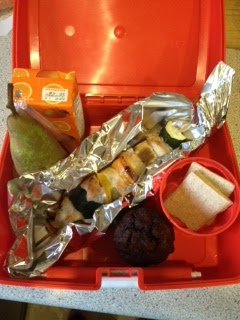 It’s a lot
more work than we were doing previously but my kids are really helpful and
totally on board and they really love the breakfasts, which range from piri
piri chicken and veg or Thai spiced salmon and veg to home made beef burgers in
lettuce wraps or paleo banana pancakes with dark chocolate sauce! That’s got to be better than cocoa
pops, no?
It’s a lot
more work than we were doing previously but my kids are really helpful and
totally on board and they really love the breakfasts, which range from piri
piri chicken and veg or Thai spiced salmon and veg to home made beef burgers in
lettuce wraps or paleo banana pancakes with dark chocolate sauce! That’s got to be better than cocoa
pops, no?
 They
initially received some comments from the other kids at school about their
packed lunches, which really worried me as I was not a strong child and that
sort of thing would have crushed me. When I asked my kids if it bothered
them, they said no, they liked their lunches and they knew what they were eating
was healthier than what the kids making the comments were eating anyway. They also seemed to appreciate that the
comments were half made in a teasing way but that also the other kids seemed
genuinely interested in what they were eating. I often get mums coming up to me saying their kids go home
and say, ‘Guess what Liv had in her packed lunch today!’ I don’t take this as a bad thing…
They
initially received some comments from the other kids at school about their
packed lunches, which really worried me as I was not a strong child and that
sort of thing would have crushed me. When I asked my kids if it bothered
them, they said no, they liked their lunches and they knew what they were eating
was healthier than what the kids making the comments were eating anyway. They also seemed to appreciate that the
comments were half made in a teasing way but that also the other kids seemed
genuinely interested in what they were eating. I often get mums coming up to me saying their kids go home
and say, ‘Guess what Liv had in her packed lunch today!’ I don’t take this as a bad thing…
There are
loads of online resources to help you, Mark's Daily Apple is a great website
with loads of info and his book, The Primal Blueprint, is a good place to
start.
There is a
subtle difference between paleo and primal, in that primal folk eat a little
dairy – butter and hard cheese.
What are my kitchen staples?
Coconut oil,
creamed coconut
Eggs
Vegetables
Meat and
fish
Fruit
Honey
I keep some
nuts and ground almonds and some seeds and dried fruit
Piri piri
spice jar
Thai spice
jar
Salt and
pepper
By the way –
I am NOT a great cook, ask anyone who knows me but after a while, the true
flavours of real food shine through and once you are over your carb and sugar addiction
raw veg and basically cooked meats and fish are so much nicer than they used to
be!
 This
summer, a number of my clients who
have given up sugar and myself noticed how lovely and sweet the strawberries
were this year. Normally they would be
inedible unless smothered in sugar!
This
summer, a number of my clients who
have given up sugar and myself noticed how lovely and sweet the strawberries
were this year. Normally they would be
inedible unless smothered in sugar!
Give it two
or three weeks and your sugar craving will go and you will begin to really
taste the foods you used to think bland, tasteless or sour.


